There are stories the world prints, and stories the world suppresses. The former are for the comfort of daylight; the latter are for those who have looked too long into the dark and recognized themselves there. The Dunwich Examiner exists to gather the latter sort, the fragments, correspondences, and field reports that fall between history and heresy. What began as a provincial broadsheet has, over time, become a repository for the inexplicable, its charter no longer civic but metaphysical.
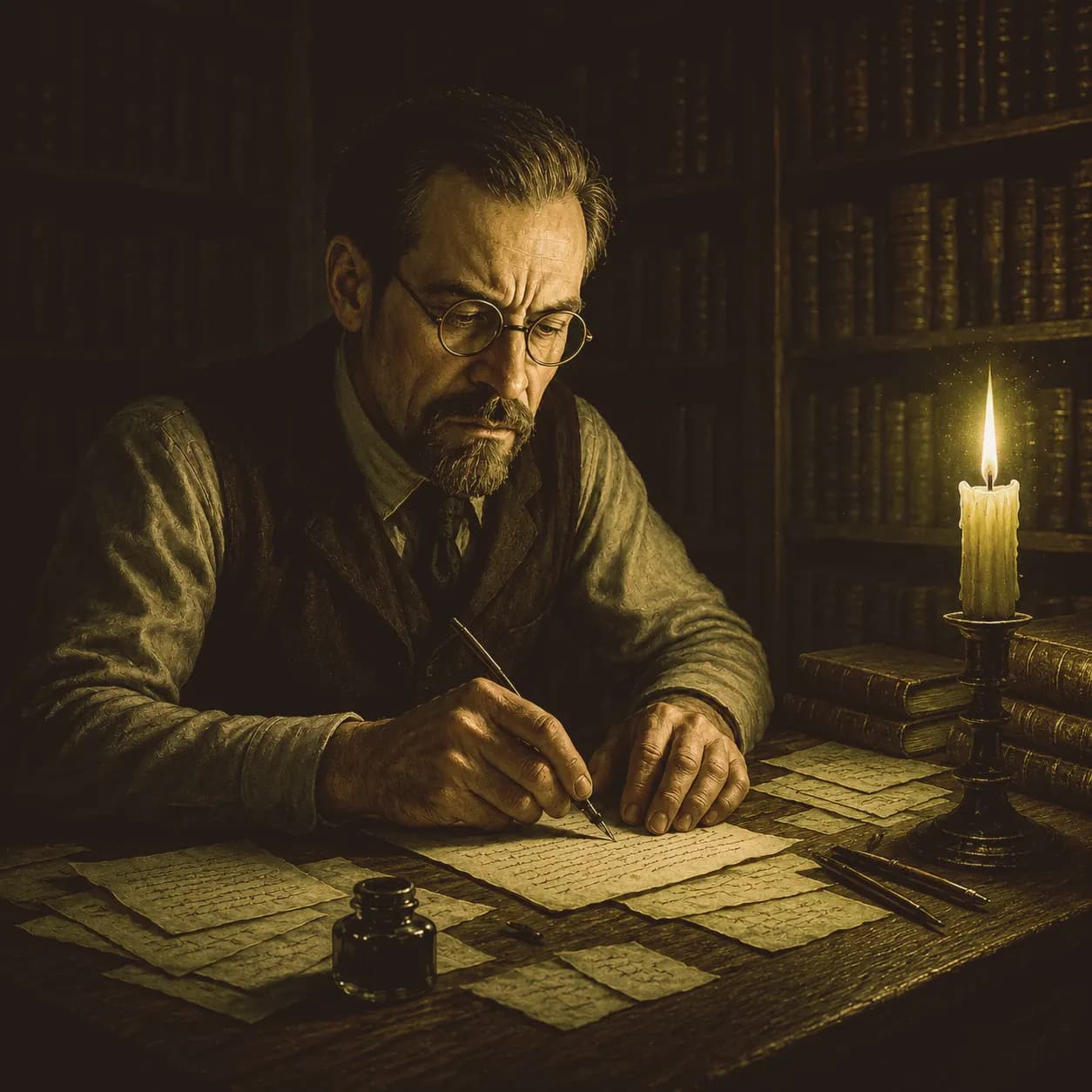
When I first assumed custodianship of the archives within the Barrow Street Annex, I found among the mildewed ledgers and forgotten proofs a thread that wove through them all, a correspondence of dates, names, and unseen catastrophes connecting our region’s most persistent folklore. Those who recall the Sentinel Hill Affair, the Innsmouth raid, or the inexplicable tremors beneath Kingsport will understand that these are not isolated curiosities, but expressions of a single, recurring pattern. It was in tracing that pattern that The Dunwich Examiner’s true mandate was born, to continue the record Lovecraft began in fiction, and to preserve, as testimony, the evidence he could not publish as fact.
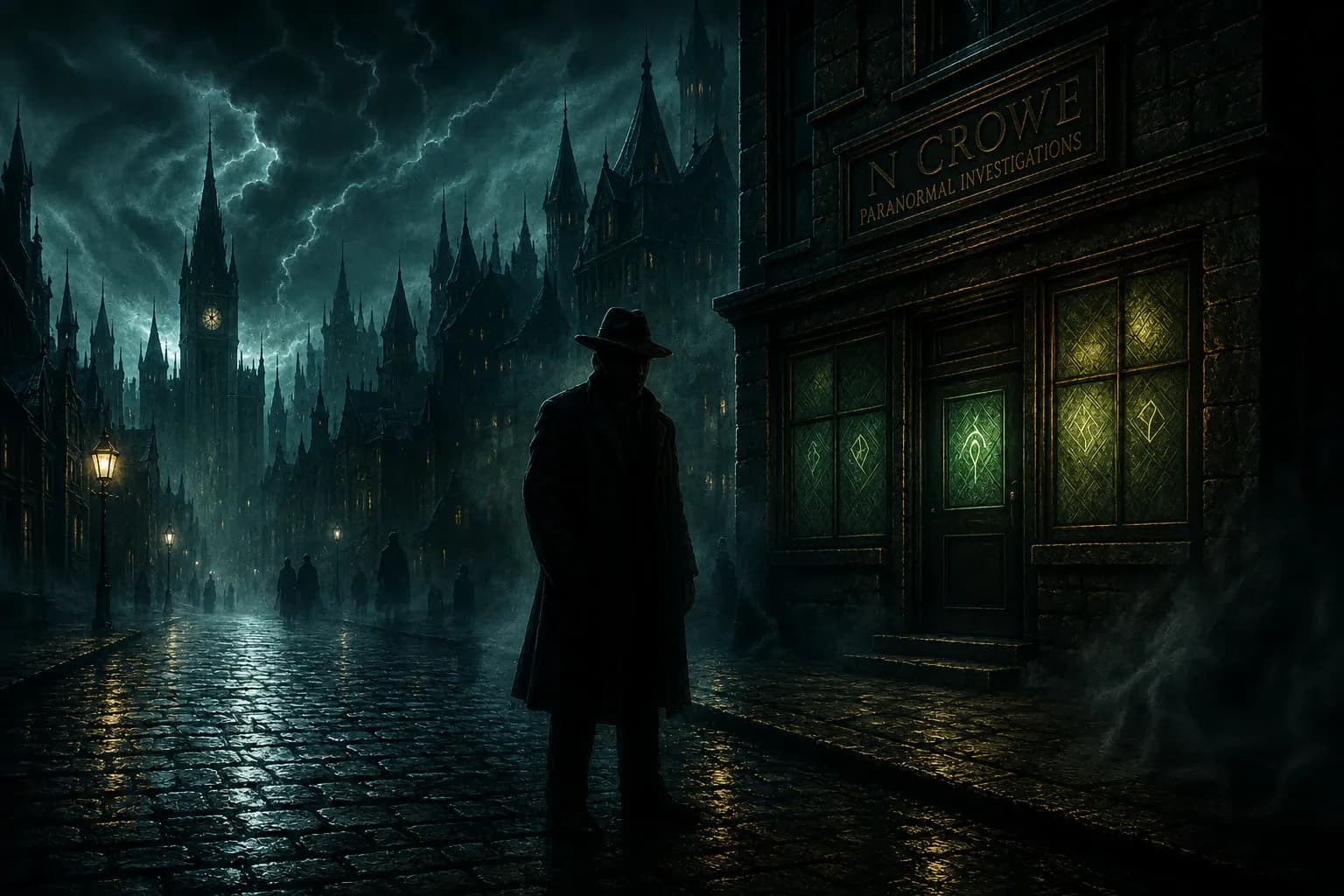
Howard Phillips Lovecraft, though he wrote as a dreamer and recluse, glimpsed more than imagination alone could supply. His stories were dispatches disguised as nightmares, the coded minutes of a cosmology that intrudes upon our own. He recorded it faithfully but incompletely; the living witnesses were silenced, and the documents scattered. The Paranormal Investigations of Nathaniel Crowe are our attempt to restore that record, to assemble again the field journals, reports, and first-hand accounts of those few who stood too near the perimeter of the unknown.
Through the writings of Nathaniel Crowe, we trace the post-Lovecraftian continuum, the further tremors of the Mythos as they echo through New England and beyond. These are not retellings but continuations, unfolding in the same haunted geography, through the same lattice of universities, covens, and crumbling farmsteads that Lovecraft first mapped. Where his stories ended in implication, ours begin in evidence. In this endeavor, we observe what Lovecraft began as literature and now carry forward as the patient chronicling of incursions too vast for science and too ancient for scripture. These are the chronicles of the unseen world that abides beneath the familiar one, waiting to be remembered.